
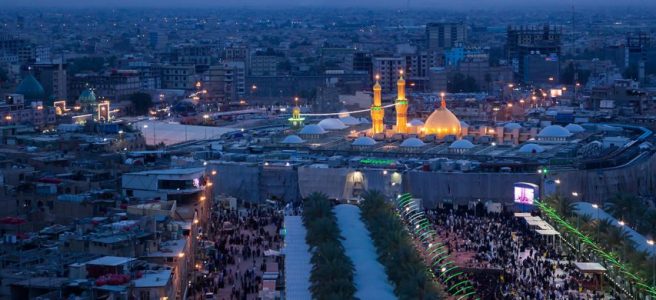
The Battle of Karbala, a significant event in Islamic history, took place in 680 CE on the plains of Karbala in present-day Iraq. The event is marked by the tragic martyrdom of Husain ibn Ali (RA), the grandson of Prophet Muhammad (PBUH), along with his family and supporters. This battle is not just a historical episode; it holds profound contemporary relevance, reflecting timeless human experiences and moral struggles. By examining the three main characters of Karbala—Yazeed and his army, the people of Kufa, and Husain ibn Ali (RA)—through a modern lens, we can gain valuable insights into the dynamics of power, silence in the face of injustice, and the courage to stand for truth.
- Yazeed and His Army
In the context of Karbala, Yazeed, the Umayyad caliph, and his army symbolize the epitome of oppressive power. Yazeed’s rule was characterized by a ruthless quest for control, employing intimidation and violence to silence dissent and maintain authority. His demand for Husain ibn Ali (RA)’s allegiance was not just a political move but a coercive act to legitimize his rule, using force against those who opposed him.
Contemporary Parallels: Yazeed and his army can be paralleled with any powerful entity, such as a state led by a ruthless dictator, a well-funded corporation that bullies smaller businesses, or a person of authority using resources and influence to maintain control, often at the expense of justice and fairness. In today’s world, these powerful suppressors use their vast resources and influence to maintain control, often at the expense of justice and fairness. Dictatorial regimes that stifle freedom of speech, engage in human rights abuses and suppress opposition mirror the actions of Yazeed. Similarly, corporations that exploit workers, engage in unethical practices and crush smaller competitors embody the same oppressive spirit. These entities use their power to silence dissent, manipulate systems, and sustain their dominance, often through intimidation or violence. Another contemporary parallel can be found in institutions where those in authority, such as heads of institutions or organizations, use their positions to intimidate and suppress their subordinates and manipulate employees, ensuring compliance and stifling any dissent.
- People of Kufa
The people of Kufa, who initially invited Husain ibn Ali (RA) to lead them against Yazeed but ultimately failed to support him, represent a tragic example of silent bystanders. Despite their sympathy for Husain ibn Ali (RA)’s cause, fear and self-preservation led them to abandon their promises, leaving Husain ibn Ali (RA) isolated and vulnerable. Their silence and inaction in the face of injustice resulted in one of history’s most poignant tragedies.
Contemporary Parallels: The people of Kufa can be seen in those who choose silence in the face of injustice, fearing the repercussions of speaking out. In contemporary society, this could be due to fear of losing jobs, social standing, or even their lives. These silent bystanders may sympathize with just causes but lack the courage to act. This phenomenon is evident in various contexts, such as employees who witness unethical practices in their workplaces but remain silent due to fear of retribution, or citizens who see injustice but do not protest out of fear of state violence or social ostracism. Their inaction, whether out of fear or apathy, perpetuates the cycle of injustice and empowers the oppressors.
- Husain ibn Ali (RA)
Husain ibn Ali (RA)’s role in Karbala is that of a courageous leader who stood up for truth and justice, even at the cost of his life. His refusal to pledge allegiance to Yazeed was not merely a political stance but a profound moral decision to uphold the principles of justice, integrity, and righteousness. Husain ibn Ali (RA)’s unwavering stand against tyranny, despite facing overwhelming odds, embodies the spirit of sacrifice and moral fortitude.
Contemporary Parallels: Husain ibn Ali (RA) represents modern whistleblowers and those who fight for what they believe in, even in the face of overwhelming opposition. These individuals stand up for what is right, often at great personal risk. In today’s world, they are seen in figures like Nelson Mandela, who fought against apartheid in South Africa, and whistleblowers like Edward Snowden, who exposed governmental overreach and faced exile. Another example includes employees who speak out against injustices within their institutions, such as those who expose corruption, discriminatory practices, or unethical behavior in their workplaces. These people exemplify the courage to stand against injustice, the willingness to sacrifice personal gains and safety for a greater cause, and the enduring fight for human dignity and rights.
The Timeless Relevance of Karbala
The story of Karbala continues to resonate today because it encapsulates universal human experiences and moral dilemmas. The characters of Yazeed, the people of Kufa, and Husain ibn Ali (RA) represent archetypes that are as relevant now as they were over a millennium ago. Karbala serves as a powerful reminder of the struggle for justice, the fear of speaking out, and the courage it takes to stand up for one’s beliefs.
Karbala’s lessons remain profoundly pertinent. It challenges us to reflect on our own roles in the face of injustice, urging us to choose the path of truth and integrity, no matter how daunting the odds. In a world where oppressive regimes, individuals with oppressive mentalities, and those who face the choice between silent complicity and courageous resistance still exist, the enduring message of Karbala calls for personal reflection and action. We must strive to uphold justice, speak out against wrongdoing, and stand firm in our convictions, even when faced with significant challenges.
 Sensors & Diagnostics Lab